
nikon d40x user manual
Overview of Nikon D40X
The Nikon D40X delivers reliable performance for beginners, featuring a 5․1‑megapixel sensor, 3× optical zoom, and built‑in flash․ Its compact body houses a simple menu, easy‑to‑use controls, and interchangeable lenses, making it ideal for learning photography fundamentals․ Perfect for hobbyists․ now․
Purpose and Basic Features
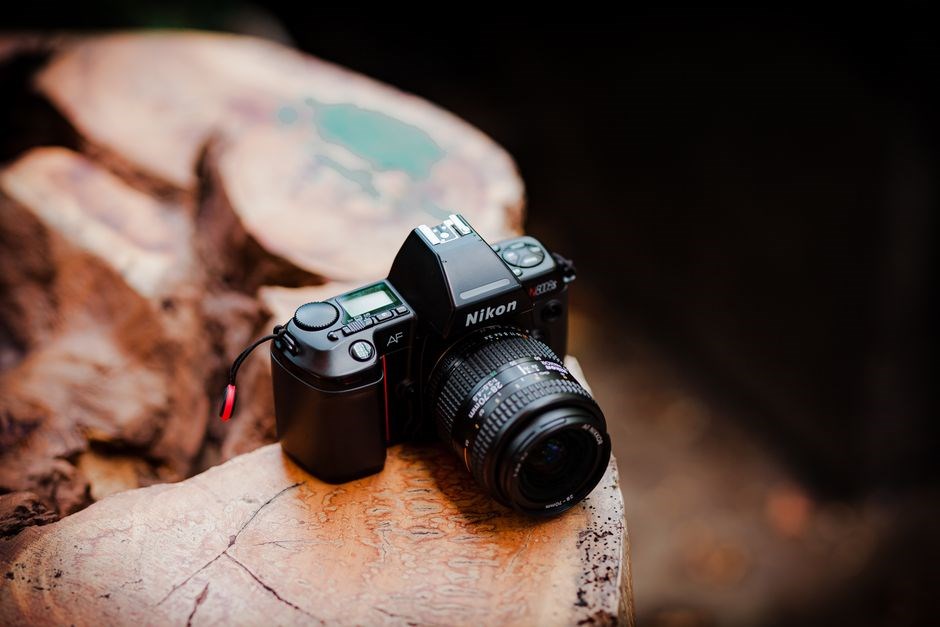
The Nikon D40X is designed as an entry‑level DSLR that balances simplicity with essential photographic tools․ It houses a 5․1‑megapixel DX‑format CMOS sensor, delivering sharp images with a dynamic range suitable for everyday shooting․ The camera’s 3‑point autofocus system, combined with a 3‑point AF‑point selection menu, allows quick focus adjustments for portraits, landscapes, and action shots․ Built‑in flash provides bounce and fill light, while the rear LCD screen offers a 1․8‑inch viewfinder for framing․ The D40X supports interchangeable Nikon F‑mount lenses, enabling users to expand creative possibilities․ Its compact body measures 4․1 × 3․1 × 2․1 inches, weighing 12․2 oz (345 g) with a battery, making it highly portable․ The camera’s power comes from a single EN‑EL3 battery, which can be swapped for a spare to extend shooting time․ The D40X’s menu system is straightforward, featuring a “Guide” mode that walks beginners through exposure settings, white balance, and shooting modes․ The camera also offers a “Scene” mode that automatically adjusts settings for specific lighting conditions, such as indoor, outdoor, or sports․ Its ISO range spans from 100 to 1600, allowing flexibility in low‑light situations․ The D40X records images in RAW or JPEG formats, giving photographers control over post‑processing or quick sharing․ The camera’s built‑in flash can be disabled or set to red‑eye reduction, and the external hot‑shoe accommodates third‑party flashes for advanced lighting․ The D40X’s durability is reinforced by a polycarbonate chassis, and it meets ISO 12233 standards for sensor performance․ Overall, the Nikon D40X provides a solid foundation for budding photographers who want a reliable, feature‑rich DSLR without overwhelming complexity․ The camera’s shutter speed ranges from 30 s to 1/2000 s, offering flexibility for long exposures and fast action․ The built‑in metering system uses 3‑zone metering, allowing users to select center‑weighted, matrix, or spot metering․ The D40X’s viewfinder has 95 % coverage and 0․8× magnification, giving a clear preview․ The camera’s battery life is rated at approximately 500 shots per charge, depending on usage․ The D40X includes a built‑in image stabilization feature for certain lenses, reducing blur in handheld shooting․ The camera’s firmware can be updated via a USB port, ensuring compatibility with new lenses and features․ The D40X’s design includes a dedicated shutter release button, a multi‑function dial for quick adjustments, and a lens release latch for secure mounting․ The camera’s ergonomics are tailored for a comfortable grip, with a textured grip area and a recessed power switch․ The D40X’s packaging includes a quick‑start guide, a battery charger, and a 12‑month warranty․ The camera’s user manual provides detailed instructions for every function, making it a valuable resource for learning photography fundamentals․ Additionally, the D40X supports 3‑frame burst shooting at 1․5 fps, enabling users to capture moments with slight motion․ The camera’s autofocus system can be fine‑tuned via the AF‑Assist lamp, which activates in low‑light conditions․ The D40X’s rear LCD can be rotated 180 degrees for self‑portrait shooting․ The camera’s menu includes a “Custom” tab where users can assign functions to the multi‑function button, tailoring the shooting experience to personal preferences․ The D40X’s power‑saving mode automatically dims the LCD and reduces shutter speed when battery level is low․ The camera’s optical viewfinder is complemented by a live‑view mode that displays the scene on the LCD, useful for precise framing in tight spaces․ It remains a popular choice!
Camera Controls and Settings
The Nikon D40X features a multi‑function dial, a dedicated shutter button, and a power switch․ The camera’s menu is accessed via the MENU button, offering exposure, focus, and custom settings․ Users can toggle between manual and automatic modes with mode dial․
Manual and Automatic Mode Switching
On the Nikon D40X, the mode dial on the top left of the body lets you switch between fully automatic and manual shooting with a simple turn․ In Auto mode, the camera automatically sets aperture, shutter speed, ISO, and white balance based on scene analysis․ If you want full creative control, choose the M (Manual) setting disables automatic exposure and requires you to set aperture, shutter speed, and ISO yourself․ The exposure compensation knob, located near the shutter button, allows fine‑tune brightness in both modes․ When shooting in manual, the D40X uses center‑weighted metering to evaluate the scene, ensuring accurate exposure for most subjects․ The camera also offers an A (Auto‑Aperture) mode, which locks the aperture while the shutter speed and ISO adjust automatically—ideal for portraits where depth of field matters․ Switching modes is as simple as rotating the dial; the LCD display updates instantly to show the current mode, and indicator LEDs on the back confirm the selection․ The menu system lets you set default values for aperture or ISO when entering a particular mode, providing a balance between convenience and control․ Additionally, the D40X’s simple interface allows quick adjustments to exposure settings, making it ideal for both beginners and experienced users who want to capture moments without complex menus․ Users can also customize the camera’s button functions, enabling a shooting experience tailored to preferences․ now․!!!!

Menu System Navigation
Press the Menu button, then use the multi‑function dial to scroll through pages and select items․ Confirm with OK․ Adjust image quality, playback, and camera info․ Reset options via Setup․ The D40X menu is simple, intuitive, and quick to use․ All settings are quick!!!
Accessing and Customizing Menu Options
To tailor the Nikon D40X to your shooting style, the camera offers a dedicated Custom Setting menu that can be accessed from the main menu․ Within this menu, you can configure a range of parameters that affect how the camera behaves during a session․ For example, you can set the default picture quality to JPEG, RAW, or a combined JPEG+RAW format, and you can choose the default playback mode to either view images or review the last shot․ The menu also allows you to adjust the auto‑exposure lock, which holds the exposure values steady while you frame a shot, and to enable or disable the auto‑focus point selection, giving you control over which part of the frame the camera will focus on․ Moreover, the Custom Setting menu provides options for configuring the power‑saving mode, allowing you to set the camera to turn off automatically after a period of inactivity, which can help conserve battery life during long shoots․ In addition, you can assign custom functions to the camera’s menu buttons, such as setting a quick‑access button for white‑balance presets or exposure compensation, so you can adjust these settings on the fly without returning to the main menu․ The camera also supports a “Custom Setting” sub‑menu where you can enable or disable the auto‑exposure lock, adjust focus point selection, and configure power‑saving options․ By resetting individual settings to factory defaults, you can quickly revert changes without affecting other configurations! Use these customizations to streamline your workflow
Shooting Modes and Autofocus
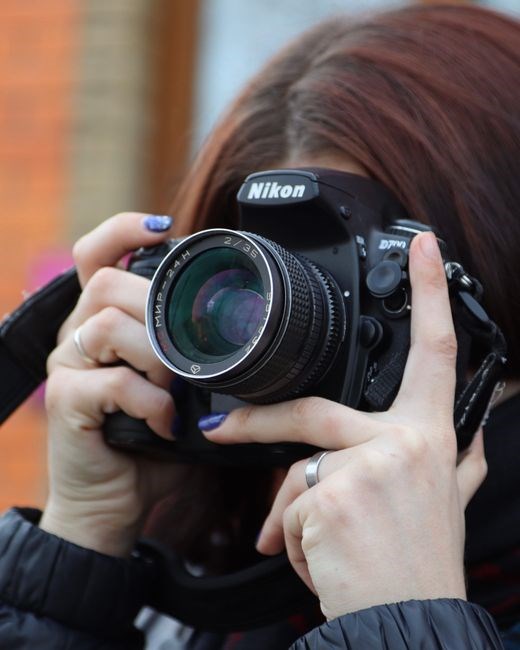
The Nikon D40X offers several shooting modes such as Auto, Program, Aperture Priority, and Manual, each with its own exposure control․ Autofocus is available in single‑point, dynamic, and group modes, allowing focus selection for various subjects․
Auto‑Focus Modes and Lens Compatibility
The Nikon D40X offers three autofocus modes: One‑Shot, AI Servo, and AI Focus․ One‑Shot locks focus on a stationary subject, AI Servo tracks moving subjects, and AI Focus automatically chooses between the two․ A 3‑point AF system lets you select the center, left, or right focus point, encouraging precise composition․
Compatible lenses include Nikon F‑mount primes and zooms with built‑in AF motors such as the 35 mm f/1․8, 50 mm f/1․8, 105 mm f/2․8, and 300 mm f/4․5․ Older manual lenses can be used but require the camera’s external AF assist, which may be slower․ The D40X’s AF system works best with lenses that have internal motors, ensuring smooth, quiet focusing for both stills and video․

Manual focus override is available; turning the focus ring while in AF mode fine‑tunes focus without switching to Manual mode․ A focus lock feature keeps focus on a selected point even when the subject moves, preventing accidental focus shifts during a single exposure․
The D40X’s autofocus performance is rated at 0․3 seconds for One‑Shot mode and 0․2 seconds for AI Servo under ideal conditions, providing quick response for action shots․ The camera also supports focus‑shift and face‑detect features when paired with compatible lenses, enhancing portrait and group photography․ Users can toggle between AF and manual focus seamlessly, making the D40X versatile for both beginners and seasoned shooters․ It also supports live view with a 0․5‑megapixel preview fast․
Exposure and Image Quality
The D40X’s 5․1‑MP sensor delivers sharp images with good dynamic range․ ISO ranges from 100 to 1600, auto‑ISO adapts to lighting․ White balance presets (Auto, Daylight, Cloudy, Tungsten, Flash) ensure accurate colors․ JPEG and RAW formats support flexible editing․ Exposure compensation ±2 EV․ 1/3‑step․
ISO, White Balance, and Image Formats
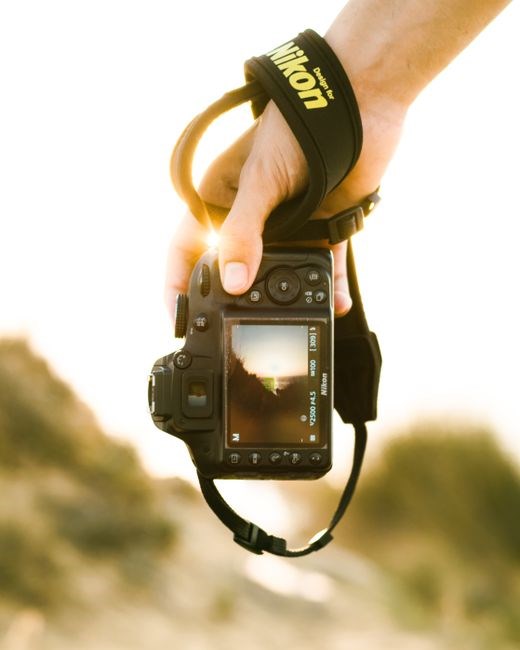
The Nikon D40X offers a flexible ISO range from 100 to 1600, automatically adjusting to low‑light conditions or automatically switching to a higher ISO in the “Auto‑ISO” mode․ Users can manually set ISO to 100, 200, 400, 800, or 1600 for finer control over noise and exposure; The camera’s white‑balance system includes presets for Daylight, Cloudy, Tungsten, Fluorescent, Flash, and a custom setting that can be fine‑tuned with a 1‑step increment․ This lets keep accurate color for varied lighting․ For image storage, the D40X records in both JPEG and RAW (NEF) formats․ JPEG files are compressed to a 12‑bit depth, file size and image quality, while RAW retains sensor data for post‑process flexibility․ The camera also supports a “JPEG 2000” option for higher‑resolution images when using compatible lenses․ The D40X’s metering offers spot, center‑weighted, matrix modes for precise exposure in challenging lighting․ The built‑in flash provides a 3‑meter range, while an optional external flash can be mounted via the hot‑shoe for greater power and bounce options․ The camera’s 3‑point autofocus system works well with most Nikon F‑mount lenses, ensuring sharp focus even in low‑light scenes․ Users can also choose to shoot in continuous mode, capturing up to 2 frames per second, which is useful for action or family portraits․ Battery life is rated at approximately 500 shots per charge, and the camera’s compact size makes it easy to carry on the go․ Image quality stays high crisp!!!
Flash and External Accessories
The Nikon D40X’s built‑in flash offers a 3‑meter range and can be used in red‑eye reduction mode․ For more power, mount an external flash on the hot‑shoe; the camera supports Nikon Speedlite units․ External accessories such as a tripod, lens hood, memory card are recommended optimal performance․
Built-In Flash vs External Flash Units
The Nikon D40X’s built‑in flash is a compact pop‑up unit that delivers a 3‑meter effective range, ideal for close‑up indoor shots․ It features a single‑shot mode, red‑eye reduction, and a 1/200‑second shutter speed limit․ The flash can be manually dimmed via the camera’s flash compensation dial, allowing subtle control over illumination․ When shooting in bright conditions or outdoors, the built‑in flash often proves sufficient, especially for casual portraits or event photography where a quick, on‑board light source is convenient․
However, for more demanding lighting scenarios—such as low‑light environments, studio work, or when a wider spread of light is required—an external flash unit is recommended․ The D40X’s hot‑shoe accepts Nikon Speedlite models, which provide higher power output, adjustable zoom, and bounce options․ External flashes can be angled, tilted, or mounted on a light stand, offering greater flexibility․ They also support multi‑flash setups and wireless triggers, enabling complex lighting arrangements․ Additionally, many external units feature built‑in TTL metering, ensuring accurate exposure without manual adjustments․
Choosing between built‑in and external flash depends on the photographer’s needs․ For quick, spontaneous shooting, the built‑in flash is reliable and easy to use․ For creative control, depth of field, and professional results, investing in an external Speedlite provides superior performance and versatility․
When using an external flash, set the camera’s flash mode to “External” and enable TTL for automatic metering․ For manual control, adjust the flash power via the Speedlite’s dial or the camera’s flash compensation․ Bounce flash or a diffuser can soften harsh shadows for a natural look․
Power and Maintenance
The D40X uses a rechargeable EN-EL5 battery, offering up to 400 shots per charge․ Charge with the supplied charger, replace when capacity drops․ Clean contacts with a dry cloth, avoid moisture․ Store in a cool, dry place to prolong life․ Keep battery cool, overcharge!!
Battery Types and Cleaning Procedures
The Nikon D40X operates on a single EN‑EL5 rechargeable lithium‑ion battery, which delivers approximately 400–500 shots per full charge under typical conditions․ The battery is housed in a removable compartment that can be accessed by sliding the battery cover toward the rear of the camera․ When the battery is depleted, replace it with a fresh EN‑EL5 or a fully charged spare to maintain optimal performance․ Ideal for beginners and pros․
Charging is performed with the supplied EN‑EL5 charger, which should be connected to a 110/120 V outlet․ The charger’s indicator lights show the charging status: a steady green light indicates a full charge, while a blinking light signals ongoing charging․ It is recommended to charge the battery fully before first use and avoid over‑charging by unplugging the charger once the green light appears․
Cleaning the battery contacts is essential for reliable power delivery․ Use a soft, lint‑free cloth lightly dampened with isopropyl alcohol to wipe the contacts on both the battery and the camera’s socket․ Avoid abrasive materials or excessive moisture, as these can damage contacts or cause corrosion․ After cleaning, allow the battery to dry completely before reinserting․
Long‑term storage: keep the battery at ~50 % charge and store the camera in a cool, dry place․ Avoid exposing the battery to temperatures above 40 °C or below −10 °C․ Check the battery’s charge level regularly and replace it if it no longer holds a full charge after several months of inactivity․
Technical Specifications and Warranty
Sensor: 5․1MP CCD, 3× optical zoom, EN‑EL5 battery, 3‑point AF, ISO 100–800, 1/2000‑30s shutter, 3․5″ LCD, 2․5‑inch viewfinder, 139‑page manual, 1‑year limited warranty, registration required․
Dimensions: 4․5×3․2×2․4, weight 10․5oz, 1‑year warranty․
Sensor Size, Lens Mount, and Legal Notice
The Nikon D40X houses a 5․1‑megapixel CCD sensor measuring 1/2․5‑inch (6․17 × 4․55 mm) with a native resolution of 2592 × 1944 pixels․ It uses the Nikon F‑mount, enabling compatibility with a wide range of DX and FX lenses, including Nikkor‑AF and non‑AF models․ The camera is powered by an EN‑EL5 battery, features a 3‑point autofocus system, and offers ISO 100–800․ The D40X complies with FCC Part 15 and CE regulations, and the manual includes a copyright notice, trademark acknowledgments, and a disclaimer that the information is for educational purposes only․ Nikon reserves the right to modify specifications and discontinue the product․ The one‑year limited warranty is valid upon registration and is subject to the terms and conditions listed in the manual․ Users must follow all safety instructions to avoid damage or injury․ The device is not fully waterproof and should not be exposed to extreme temperatures or direct sunlight for prolonged periods․ Proper disposal of batteries and electronic waste is encouraged in accordance with local recycling programs․ The camera’s firmware can be updated via Nikon’s official website to maintain compatibility with accessories and lenses․ The user should keep the manual and warranty documentation in a safe place for future reference․ All trademarks belong to their owners․ Compliance with local regulations is mandatory․ Use responsibly․